
Why Your Next Trip Needs a Digital SIM
Find Your Perfect Travel eSIM: The Best Global Picks for Stress-Free Adventures
Surprisingly, the best eSIM for travel can reduce your roaming costs by up to 90% compared to traditional SIM cards. It works by letting you download a digital profile directly onto your phone before you leave, instantly connecting you to local networks abroad. This means you can activate data plans on your own schedule without hunting for physical SIMs or worrying about expensive surprise bills.
Why Your Next Trip Needs a Digital SIM
For your next trip, choosing the best eSIM for travel eliminates the need to hunt for local SIM cards or pay exorbitant roaming fees. You can activate a digital data plan before you depart, ensuring instant connectivity upon landing for maps, ride-shares, and translation apps. The best eSIM for travel often allows you to keep your primary number active for iMessage or WhatsApp while using local data. However, always verify that your chosen eSIM supports your destination’s primary network bands to avoid patchy coverage in rural areas. This convenience alone—no physical swapping, no airport kiosk queues—makes a digital SIM indispensable for any modern traveler.
Eliminating roaming fees and physical card hassles

The primary advantage of a travel eSIM is eliminating roaming fees while ditching physical card hassles. You simply activate a digital plan before departure, avoiding the shock of carrier charges and the need to hunt for a local SIM shop. Swapping tiny physical cards between devices becomes irrelevant; you switch networks via a QR code. Q: How does this remove roaming fees? A: You purchase a local or regional data package directly from an eSIM provider, bypassing your home carrier’s international rates entirely—no contracts, no hidden costs.
How eSIM technology simplifies connectivity abroad
eSIM technology eliminates the physical SIM hunt upon arrival, letting you activate a local data plan from home before departure. This means immediate connectivity as you land, bypassing airport kiosk queues and language barriers. You switch between international data profiles via phone settings, avoiding the risk of losing or damaging a tiny chip. For multi-country trips, you can preload several regional eSIMs, toggling between them without swapping cards. This makes seamless global data switching effortless, reducing the hassle of maintaining active service across borders.
- Activate a data plan before leaving home, ensuring instant connection at your destination.
- Swap between multiple eSIM profiles for different countries directly in settings.
- Eliminate the need to find and purchase a physical local SIM card upon arrival.
- Keep your primary home number active simultaneously for calls and texts.
Key Factors for Choosing a Travel eSIM
The key factors for choosing a travel eSIM center on coverage, cost, and convenience. For the best eSIM for travel, prioritize providers offering direct access to local networks in your destination rather than throttled roaming. Data allowances and validity periods must match your trip length and usage, not just headline prices. Hotspot tethering availability is crucial for connecting laptops or tablets. To determine your best eSIM for travel, ask: What is the specific country or region, and does the eSIM offer a multi-country plan or a single destination package? A strong answer here clarifies if a regional plan or separate local eSIMs are most cost-effective. Finally, installation ease via an app or QR code, and responsive customer support for setup issues, are non-negotiable for a seamless experience.
Coverage maps and network partners worldwide
When evaluating the best eSIM for travel, scrutinize the provider’s coverage map to see which local networks they partner with per country. A map showing a single “4G” icon may mask reliance on a single budget carrier, leading to dead zones. For practical reliability, confirm partnerships with multiple native operators (multi-operator access)—for example, three or four in a large nation. Follow this sequence:
- Check the provider’s interactive map for your destination countries.
- Verify the listed network names (e.g., T-Mobile, Vodafone, KDDI) against known local coverage rankings.
- Look for partner logos or “roaming” tier labels indicating primary vs. premium data speeds.
Data allowance versus speed throttling limits
When selecting the best eSIM for travel, prioritize your actual usage pattern by weighing data allowance versus speed throttling limits. A generous 10GB plan is useless if speeds are cut to 128kbps after the first 1GB. Instead, seek plans that throttle only after your full high-speed allowance is exhausted. To choose wisely:
- Estimate your daily consumption for maps, streaming, and calls.
- Opt for at least 3GB of high-speed data for shorter trips.
- Confirm the exact post-throttle speed—512kbps is usable for messaging, while 128kbps is not.
A plan offering 20GB at top speed is far superior to an “unlimited” plan that slows you to a crawl after 5GB.
Price per gigabyte and hidden activation costs
When hunting for the best eSIM for travel, price per gigabyte and hidden activation costs can silently drain your budget. A cheap-looking plan often masks a high per-GB rate once you subtract a sneaky activation fee or a mandatory base “top-up.” Always calculate the total cost you pay upfront divided by the data you actually receive—not the advertised promotional price. Some providers tout a low GB rate but tack on a $5–$10 setup fee, making short trips disproportionately expensive. Conversely, a slightly higher per-GB cost with zero activation fee usually wins for small data bundles.
Always divide total upfront payment by usable gigabytes to reveal true cost—activation fees can double your price per gigabyte.
Device compatibility checklist for eSIM support
Before buying the best eSIM for travel, run a quick device compatibility checklist for eSIM support. First, check your phone’s settings under “Cellular” or “Mobile Data” for an “Add eSIM” option. Second, verify your phone model—most iPhones from XS onward and recent Samsung Galaxy, Google Pixel, and Huawei models support it, but older flagships or some Chinese brands may not. Third, confirm your region’s model (e.g., US iPhones often lack a physical SIM slot now). Your tablet or smartwatch might support eSIM even if your phone doesn’t. Finally, ensure the phone is carrier-unlocked, as some locked devices restrict eSIM profiles to one provider.
Top Global Providers for Seamless Roaming
When seeking the best esim for travel, evaluating top global providers for seamless roaming focuses on reliability and direct connectivity. Providers like Airalo, Holafly, and Nomad offer localized or regional data plans that activate instantly upon arrival, bypassing the need for physical SIM swaps. A key differentiator is their partnerships with tier-1 network operators, ensuring stable 4G/5G access across multiple countries without throttling. For instance, a single eSIM from these providers can maintain a consistent connection across Europe or Asia, allowing users to retain their primary number while using redundant data.
The most practical advantage is automatic network selection, which prevents manual setup and dropped connections at borders.
This is critical for frequent travelers who need reliable data for navigation, communication, and app usage without requiring local carrier support.
Airalo: Extensive regional and global data plans
Airalo stands out for travelers needing extensive regional and global data plans, offering coverage across hundreds of countries through single, easy-to-activate eSIMs. Instead of juggling multiple local SIMs, you can grab a regional plan for Asia, Europe, or the Americas, or a global bundle that works across continents. This flexibility is a lifesaver when your itinerary includes unexpected border crossings. Plans range from small data packets for quick trips to large, long-term allowances for digital nomads. Simply pick your region or the world, download the eSIM, and connect the moment you land.
Holafly: Unlimited data with local number options
Holafly stands out for travelers who burn through gigabytes, offering unlimited data with local number options across many destinations. You get a local phone number alongside your data plan, which is clutch for making local calls or booking reservations without extra charges. Since it’s an eSIM, you install it before you leave and activate it on arrival. This combo means you never worry about data caps while staying reachable via a familiar local number.
Holafly’s unlimited data with local number options gives you worry-free browsing and a local line for calls, all from a simple eSIM setup.
Ubigi: Reliable coverage across Asia and Europe
For travelers needing consistent connectivity, Ubigi offers reliable coverage across Asia and Europe through partnerships with established local networks like NTT Docomo in Japan and Orange in France. Plans are easily activated via its app, with no physical SIM required. Its dual-country packages suit multi-destination trips without requiring separate eSIMs. Q: Does Ubigi: Reliable coverage across Asia and Europe work in rural areas? A: Coverage extends to many suburban and rural zones, though high-speed data may be throttled in remote mountain or island locales.
Nomad: Flexible plan durations for frequent flyers
For frequent flyers selecting the best esim for travel, Nomad excels with its adaptable plan durations. Instead of forcing you into rigid 30-day cycles, Nomad offers segments as short as 7 days or as long as 90 days, matching the exact length of a business trip or a layered itinerary. This flexibility avoids paying for unused days when you hop between continents. You can purchase a 15-day plan for a two-week Europe sprint, then immediately add a separate 3-day plan for a last-minute Asia layover. This granular control over plan validity directly addresses the patchwork schedules of modern frequent flyers, ensuring your roaming coverage starts and stops precisely when you need it.
Regional Specialists Worth Considering
For a trip spanning Japan, South Korea, and Taiwan, I once relied on a regional specialist instead of a global provider. The regional specialists worth considering here were eSIMs like **Airalo’s East Asia package** or **Changi eSIM**, which offered cheaper, faster data through direct local network partnerships. In Tokyo’s Shibuya, my maps loaded instantly, while a friend on a global plan buffered. For Europe, regional specialists worth considering include **Orange Holiday** or **Airalo’s Europe package**, giving seamless 5G across borders without recharging. Down in South America, **Claro eSIM** or **Airalo’s Brazil-focused plan** provided reliable coverage in Rio’s favelas. These specialists tailor speeds and costs to specific zones, making them the pragmatic choice for targeted travel needs.
Europe: Orange Holiday and Vodafone prepaid eSIMs
For travelers needing rock-solid coverage across Schengen countries, Orange Holiday and Vodafone prepaid eSIMs are top regional specialists. Orange’s “Holiday” plan bundles generous data (often 20GB+) with a European phone number, ideal for booking local restaurants or navigating city streets. Vodafone’s eSIMs typically offer high-speed EU roaming on their native network, providing faster speeds in congested cities like Paris. Both brands excel by routing traffic through their own infrastructure, avoiding the latency of generic third-party resellers. Below are key practical features:
- Orange Holiday includes a local French number for calls/SMS, useful for ride-hailing and hotel confirmations.
- Vodafone eSIMs often support 5G speeds in major EU markets (Germany, Spain, Italy).
- Top-up options extend validity beyond standard 14 or 30-day plans.
- Instant activation via QR code before landing, with clear English menus.

Asia: Japan’s Mobal and South Korea’s KT eSIM
For travelers hitting East Asia, Japan’s Mobal and South Korea’s KT eSIM are local champs offering solid value. Mobal gives you a Japanese number for calls and hot data in Japan, perfect for navigating trains or booking restaurants. KT eSIM hooks you straight into Korea’s super-fast 5G network, often with a local number included for KakaoTaxi or restaurant waits. Both let you skip airport counters by installing before you land. They’re best for single-country trips where deep local coverage beats regional roaming.
For focused, reliable local data and a local number, Japan’s Mobal and South Korea’s KT eSIM deliver top-tier native connectivity for single-country travelers.
North America: T-Mobile and Verizon short-term plans
For short trips across the US and Canada, T-Mobile and Verizon’s eSIM plans are solid regional specialists. T-Mobile’s prepaid pass gives you unlimited data with full 5G speeds, ideal for heavy streaming or navigation on the go. Verizon offers its TravelPass for a flat daily fee, letting you keep your domestic plan’s data cap abroad without juggling a new number. Both activate instantly via QR code, so you skip the carrier store. For seamless connectivity, T-Mobile and Verizon short-term plans are a reliable choice for travelers needing quick, no-fuss access.
In short, T-Mobile shines with unlimited high-speed data, while Verizon is best if you want to extend your existing plan daily—both are straightforward eSIM options for North America.

Oceania: Telstra and Spark for Australasia travel
For roaming across Australasia travel eSIMs, Telstra and Spark are regional specialists worth your attention. Telstra excels in Australia, tapping into Australia’s largest mobile network for reliable coverage in cities and outback alike. Spark handles New Zealand with strong service in both urban hubs and scenic rural spots. To get connected:
- Pick an eSIM plan that includes both networks for seamless cross-border use.
- Activate the eSIM before departure to avoid setup hassles.
- Use your existing number over Wi-Fi calling if needed, while the data eSIM runs locally.
Comparing Unlimited vs. Capped Data Plans
When selecting the best esim for travel, the choice between unlimited and capped data plans hinges on usage patterns. An unlimited data plan for travel eliminates the worry of running out, making it ideal for heavy streamers, navigation users, or digital nomads who need constant connectivity. However, these plans often include a fair usage policy that throttles speeds after a high data threshold, and they typically cost more. Conversely, a capped data plan offers a fixed, usually lower price with a guaranteed high-speed allowance until the limit is reached. This is more budget-friendly for light users who check maps or messaging apps. The practical advantage is cost predictability, though you must monitor consumption or risk losing access entirely. Your choice between comparing unlimited vs. capped data plans should prioritize your trip’s data demands and tolerance for potential speed restrictions.
When to choose unlimited for heavy streaming use
For heavy streaming use while traveling, choose an unlimited data eSIM when you plan to watch hours of high-definition video daily, such as on long flights or during hotel downtime. Capped plans deplete rapidly with streaming, as a single movie can consume several gigabytes, forcing you to purchase top-ups mid-trip. Unlimited plans eliminate this anxiety, allowing uninterrupted streaming during travel without monitoring your usage. This choice is ideal for multi-device tethering or group trips where multiple users share the connection for Netflix, YouTube, or live sports. Verify the plan’s fair usage policy, as truly unlimited options provide the consistent bandwidth heavy streaming requires.
Why capped plans suit light travelers and business users
Capped plans are a perfect match for light travelers who just need maps and messaging, and cost-effective eSIM for short trips since you only pay for the data you realistically use. Business users also benefit by avoiding expensive overage fees while staying reachable for emails and calls. This focused approach prevents waste, ensures predictable budgeting, and keeps connectivity lean without monthly commitments.
- Pay for a set amount, avoiding surprise charges if you use little data.
- Ideal for quick trips where checking apps and emails is the main need.
- Business users stay professional with reliable, low-cost access to essential tools.
Fair usage policies and potential speed reductions
When evaluating the best esim for travel, fair usage policies (FUP) directly impact your experience. Even plans advertised as “unlimited” often throttle speeds after exceeding a specific data threshold, typically between 500MB and 1GB per day. This reduction renders high-bandwidth tasks like video streaming or video calls unusable, dropping to 128–256 kbps. Capped plans avoid this risk entirely, as you stop using data once your allowance is exhausted. For travelers relying on mapping or real-time translation, a plan with transparent FUP thresholds and clear speed reduction details is critical—otherwise, you may face unexpected, frustrating slowdowns mid-trip.
How to Install and Activate an eSIM Abroad
To install a top travel eSIM abroad, first confirm your phone is unlocked and eSIM-compatible in settings. On arrival, scan the QR code from your provider—like Airalo or Holafly—directly into your phone’s cellular menu. Activate the eSIM by selecting it as your data line; avoid enabling it before departing, as the plan timer typically starts immediately. For a seamless connection, keep your primary SIM for calls while the travel eSIM handles data. This setup lets you switch networks instantly upon landing, bypassing physical SIM hunts for instant local rates.
Scanning QR codes or using provider apps
Scanning a provider’s QR code is the fastest method to install an eSIM, as it automates profile download and activation without manual entry. Provider apps, conversely, offer a more guided experience, often bundling plan selection with the installation process. For travel, instant eSIM activation via QR codes is ideal when you have limited connectivity upon arrival; apps may require an initial Wi-Fi connection to complete the download. Below is a comparison of key aspects.
| Aspect | QR Code Scan | Provider App |
|---|---|---|
| Setup Speed | Immediate after scan | Several minutes, including account creation |
| Requires Internet | Only during scan (cellular optional) | Full connection needed for download |
| User Control | Direct profile management | Integrated monitoring & top-up |
Managing multiple eSIM profiles on one device
When traveling, managing multiple eSIM profiles on one device allows you to keep your home number active while adding a local data plan abroad. Most modern smartphones store several profiles, letting you label each eSIM (e.g., “Home” and “Spain Data”) and toggle between them in your settings. For smooth use, designate one line for cellular data and another for calls and texts. You can also deactivate a profile temporarily without deleting it, which is useful for preserving unused data or avoiding roaming charges. Always name your profiles clearly in the device’s mobile network settings to prevent confusion when switching. This setup ensures you seamlessly utilize eSIM travel profiles without needing to physically swap cards.
Activating before departure versus upon arrival
For travel eSIMs, the golden rule is activate before departure, not upon arrival. Activating while still on home Wi-Fi lets you download the profile ahead of time, avoiding data dead zones at the airport. If you wait, you might face spotty local networks or lose connectivity before the eSIM kicks in. A pre-activated eSIM connects automatically upon landing, saving you hassle. When should you activate? Before you board. Q: Can I activate the eSIM after I land? A: Yes, but you risk delays or needing airport Wi-Fi to finish setup, which defeats the purpose of seamless travel. Activating early ensures instant service.
Common Pitfalls to Avoid When Buying eSIMs
When selecting the best eSIM for travel, a common pitfall is ignoring device compatibility; always verify your phone is unlocked and supports eSIM before purchasing. Another mistake is buying a regional plan without checking coverage maps, leading to dead zones. Do not underestimate data speed throttling after exceeding a daily cap, as “unlimited” plans often slow to a crawl. Avoid choosing the cheapest option without reading reviews on activation ease and customer support, as poor setup can waste precious travel time. Finally, never buy a plan with a short validity period for a longer trip, or you’ll face expensive top-ups.
Ignoring tethering and hotspot restrictions
One major pitfall is assuming your travel eSIM will let you share its data. Many budget-friendly plans explicitly block tethering and hotspot use, so your laptop or tablet stays offline unless you pay extra. Always check the fine print before buying the best eSIM for travel if you need to connect multiple devices.
- Look for “tethering allowed” or “hotspot supported” in the plan details.
- Test sharing immediately after activation, while you can still request a refund.
- Remember some eSIMs limit sharing to specific devices or speeds.
Overlooking 5G versus LTE availability
When choosing the best eSIM for travel, overlooking 5G versus LTE availability can lead to disappointing speeds. Many travelers assume all eSIMs offer 5G, but coverage is often restricted to LTE in their destination, especially outside major cities. Inspect the eSIM’s supported networks and prioritize plans that explicitly state destination-native 5G access, as many budget providers throttle speeds on 4G LTE without clear disclosure.
- Verify if the eSIM roams on a local 5G carrier or relies on a foreign 5G hub that downgrades to LTE.
- Check coverage maps for specific regions you’ll visit, not just urban hubs.
- Prefer eSIMs that allow switching between 5G and LTE to preserve battery in low-signal areas.
- Avoid plans that cap LTE speeds at 3G levels, misrepresenting them as “high-speed 5G.”
Choosing plans with short validity windows
Choosing plans with short validity windows is a frequent oversight when selecting the best eSIM for travel. While a 7-day plan appears economical, it often forces an inopportune top-up mid-trip, eating into both your budget and time. Instead, calculate your exact journey duration and add a buffer of 2–3 days. This prevents a sudden loss of connectivity at a crucial moment, like navigating to an airport. Ultimately, a slightly longer, more expensive plan delivers superior value over short validity windows that leave you scrambling for a last-minute renewal.
Price Comparisons Across Popular Destinations
When comparing eSIM prices across popular destinations, regional plans often beat global ones by 30-50% for specific trips. For Europe, a 10GB plan for £10 is standard, while single-country Japan plans can cost triple that for the same data. Always cross-reference local provider rates, not just aggregator listings, to find the true best value. A country-specific eSIM from a regional carrier like Ubigi in Asia can undercut travel brands like Airalo by half. However, paying slightly more for an eSIM with instant top-up can save you from buying a whole new plan if you unexpectedly run out of data. Prioritize packages where per-GB cost drops sharply on mid-tier bundles, as those strike the best balance between flexibility and expense.
Budget-friendly options for Southeast Asia
For budget-conscious travelers in Southeast Asia, affordable regional eSIM plans offer the best value. Prioritize providers with multi-country coverage across Thailand, Vietnam, and Indonesia, as single-country eSIMs often cost more per gigabyte. To maximize savings, follow this sequence: first, choose a data-only plan from a regional carrier like Airalo or Holafly, avoiding costly voice add-ons. Second, compare prices for a 7-day 3GB plan, which typically ranges from $4 to $7, significantly cheaper than daily roaming passes. Finally, activate via email QR code before departure to skip airport purchase markups.
- Select a regional eSIM covering multiple countries instead of individual ones.
- Opt for data-only packages, as local messaging apps like WhatsApp suffice.
- Purchase and install the eSIM before traveling to avoid premium local store pricing.
Affordable picks for Europe travelers
For Europe travelers seeking cost-effective connectivity, affordable eSIM picks such as Airalo’s regional Europe plans or Holafly’s unlimited data packages offer the best per-gigabyte value across multiple countries. These options avoid separate local SIMs, with pricing often starting below $5 for a 1GB short-term plan, ideal for budget itineraries spanning diverse destinations. When comparing per-day rates, regional eSIMs typically undercut individual country plans for travelers hopping through several European nations. Prioritize providers offering transparent data pools and no hidden activation fees, ensuring your chosen plan aligns directly with your itinerary’s length and data needs without overspending.
Premium plans for remote and high-latitude regions
For travelers heading to remote or high-latitude regions, standard eSIM plans often lack coverage. Premium plans, however, prioritize partnerships with satellites and niche local carriers, ensuring connectivity in the Arctic, Alaska, or deep mountain valleys. These plans typically offer larger data buckets, such as 20GB or unlimited options, and prioritize reliable connectivity in extreme climates. While they cost significantly more—often $50–$100 for a week—this premium covers the expense of maintaining signal in sparse infrastructure. Users should verify that the plan explicitly lists “remote” or “polar” zones in its coverage map, as not all “global” packages include these latitudes.
Tips for Maximizing Connection Stability
For the best eSIM for travel, connection stability often comes down to manual network selection. Don’t rely on automatic mode; instead, in your phone settings, manually pick a local carrier with strong signal—usually the top-listed one. Additionally, disable background data for non-essential apps to prevent congestion.
A quick trick: reboot your phone after switching countries to force a fresh, stable network handshake.
Finally, keep your phone’s software updated and avoid areas like tunnels or dense basements, which block signal regardless of your eSIM provider.
Manually selecting network operators in weak zones
When traveling with an eSIM, manually selecting network operators in weak zones prevents your device from clinging to a faint signal that drains battery and ensures you lock onto a stronger available tower. In remote areas or buildings, your phone’s automatic selection may prioritize the wrong carrier, causing dropped connections. Open your device’s network settings, disable automatic selection, and scan for alternative operators—often a local provider offers better penetration than your primary eSIM’s default partner. This tactic is a practical workaround for patchy coverage.
Q: How do I manually select a network operator on my eSIM?
A: Go to your phone’s cellular settings, turn off “Automatic” network selection, wait for the list of available operators, then tap a different one to attempt connection. Repeat if no signal improves.
Using dual SIM modes to keep home line active
Using dual SIM modes is a powerful stability trick: keep your home SIM active while your eSIM handles travel data. This setup ensures you never miss critical calls or SMS verification codes from your bank or two-factor apps, even abroad. Most phones let you set the eSIM as the primary data source while routing voice calls through your home line. Prioritizing your home line for voice prevents service gaps when signal fluctuates. You can also toggle “calls on other SIM” to stay reachable without switching networks. Dual standby mode handles this seamlessly, maintaining connection for both lines without draining battery.
Using dual SIM modes keeps your home line active for calls and texts while your travel eSIM delivers data—ensuring you’re always reachable without sacrificing local connectivity.
Pre-downloading maps and offline resources
Pre-downloading maps and offline resources eliminates dependency on potentially unstable cellular signals from your eSIM. Apps like Google Maps or Maps.me allow you to save entire regions, Japan eSIM ensuring navigation remains functional even when your eSIM switches between roaming partners with low bandwidth. Offline map caching bypasses data speed fluctuations, preventing buffering delays when loading high-detail areas. This foresight is critical when your eSIM experiences temporary signal drops in tunnels or remote zones. Pairing offline maps with pre-saved translations or travel guides further insulates your trip from connection hiccups, turning your device into a fully self-contained tool.
Future Trends in Travel Connectivity
The next leap in travel connectivity means your best eSIM for travel will actively learn your habits, pre-caching local maps and transit apps before you even land. You’ll switch between regional carriers seamlessly, never hunting for a Wi-Fi password as the network adapts to your itinerary. Instead of buying another gigabyte, an intuitive dashboard will pool unused data from your previous trips, automatically rebalancing your allowance against upcoming layovers. The real shift is that connectivity becomes a silent, intuitive companion rather than a frantic café stop. This future eSIM anticipates border crossings, instantly pairing with local networks so you can update your family before your passport is stamped.
Global eSIM roaming alliances expanding coverage
Global eSIM roaming alliances are expanding coverage by allowing travelers to access multiple local networks through a single profile. This eliminates the need to switch SIMs or hunt for local providers at each destination. By partnering with regional carriers, these alliances ensure seamless connectivity in more countries, often at lower rates than standard roaming. For users choosing the best eSIM for travel, alliance-based eSIMs offer broader automatic network switching without manual configuration. This consolidation simplifies trip planning, as one purchase typically covers entire regions.
Global eSIM roaming alliances expand coverage by unifying multiple local networks into one seamless connection, simplifying travel connectivity.
Embedded eSIMs in phones and smart accessories
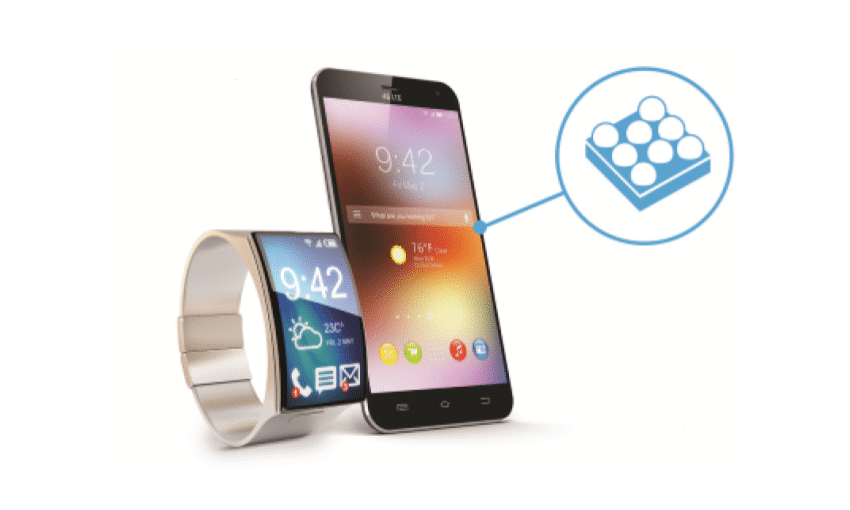
Embedded eSIMs in phones and smart accessories eliminate the need for physical SIM swaps, letting you activate a travel data plan instantly upon arrival. Your next smartphone or smartwatch will likely have this chip soldered in, allowing you to download a local profile from the best eSIM for travel providers before you even board. This seamless integration means your smart accessory, like a cellular smartwatch, can share the phone’s connectivity or operate independently, keeping you online without carrying your main device. Embedded eSIMs in phones and smart accessories are the future for travelers seeking effortless, reliable connectivity.
Embedded eSIMs in phones and smart accessories provide instant activation and independent connectivity, making them the most practical choice for seamless travel.
Customizable data bundles for multi-country trips
For multi-country trips, the best eSIM now offers customizable data bundles that let you mix and match data allowances per destination. Instead of buying one expensive global plan, you allocate 10GB for Spain, 5GB for Morocco, and maybe just 1GB for a brief layover in Portugal—all from a single account. This granular control stops you overpaying for unused data in countries you barely visit. Activation is simple:
- Select the countries on your itinerary.
- Slide to set specific data amounts (like 2GB, 5GB, or 10GB) for each.
- Review your bundle and top-up per country easily if you run low.