
The historical evolution of casinos A journey through time and innovation with Balloon game
The historical evolution of casinos A journey through time and innovation with Balloon game
The Origins of Gambling and Early Casinos
The roots of gambling can be traced back to ancient civilizations, where games of chance were an integral part of social activities. Evidence of dice made from animal bones, known as astragali, dates back to around 3000 BCE in Mesopotamia. These early forms of gambling laid the groundwork for what would eventually evolve into the casino experience. Ancient Greeks and Romans engaged in betting games, often during public events, showcasing the communal aspect of gambling in society. If you’re interested in tapping into modern gaming, you can https://balloongameapp.com.ng/ to discover the latest in mobile fun.
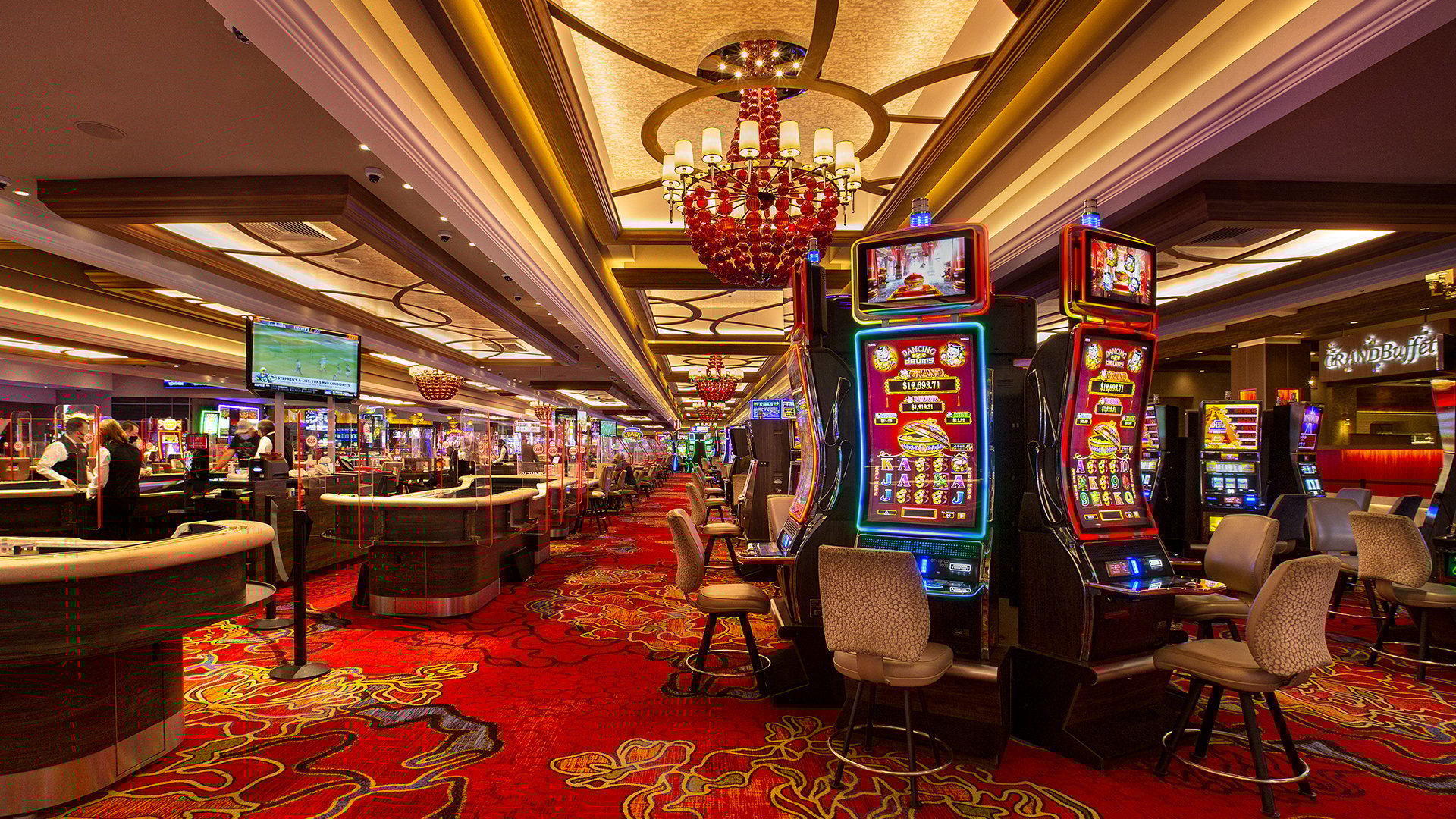
As time progressed, the emergence of the first official casinos took shape in 17th-century Italy. The Casino di Venezia, established in 1638, is considered the oldest gaming house. Unlike the modern casinos we know today, these venues offered simple games like dice and card games in an elegant setting, catering to the affluent. This development marked a pivotal moment in gambling history, as it transformed gambling from a social pastime into a regulated, commercial enterprise.
Throughout the 18th century, casinos began to spread across Europe, particularly in France, where the term ‘casino’ originated, meaning ‘little house.’ The French established numerous gambling houses, which became popular among the aristocracy. This period saw the introduction of various games, including roulette and baccarat, laying the foundation for the diverse gambling options we see in casinos today. These early establishments set the stage for the global phenomenon that casinos would eventually become.
The Rise of Modern Casinos
The 19th century marked the rise of modern casinos, particularly in the United States. After the Gold Rush, gambling became a significant part of American culture, with cities like New Orleans and San Francisco leading the charge. The first legal casino in the U.S., the New Orleans Gaming House, opened in the early 1800s. This period also saw the establishment of gaming regulations, which aimed to protect players and ensure fair play. Such regulations paved the way for the structured casino environments we recognize today.
The introduction of Las Vegas as a gambling hub in the mid-20th century revolutionized the casino industry. Initially a small desert town, Las Vegas transformed into a vibrant metropolis known for its extravagant casinos and entertainment. The legalization of gambling in Nevada in 1931 attracted investors, leading to the construction of iconic establishments like the Flamingo and the Sands. This shift not only solidified Las Vegas as the world’s gambling capital but also set a standard for luxury and spectacle within the casino experience.
Modern casinos have evolved significantly, incorporating advanced technology and innovative designs. The introduction of slot machines in the early 20th century added an exciting and accessible gambling option for many. Today, casinos utilize sophisticated systems to track player behavior, offer personalized rewards, and create immersive environments. The integration of technology continues to redefine the gambling experience, appealing to a diverse audience and enhancing the excitement of gaming.
The Psychological Aspects of Gambling
The psychology of gambling plays a crucial role in understanding why people are drawn to casinos. Various psychological factors, including the thrill of risk-taking and the allure of potential rewards, compel individuals to engage in gambling activities. Studies have shown that the excitement associated with winning, even in small amounts, can trigger the release of dopamine, reinforcing the desire to gamble. This psychological phenomenon explains why players often feel compelled to return to casinos, despite the inherent risks.
Furthermore, the design and ambiance of casinos are meticulously crafted to enhance the gambling experience. Bright lights, engaging sounds, and the smell of freshly prepared food all contribute to an atmosphere that encourages prolonged play. Casinos strategically place games to create a sense of excitement and competition, drawing players in and keeping them engaged. This carefully curated environment heightens the emotional stakes, fostering a connection between players and the gaming experience.
Additionally, the social aspect of gambling cannot be overlooked. Many individuals enjoy the camaraderie that comes from participating in games with others. Casinos often feature areas designed for social interaction, encouraging players to share their experiences. This social dynamic reinforces the psychological motivations behind gambling, making it not just a solitary endeavor but a communal activity that fosters relationships and shared thrills. Understanding these psychological elements is essential for grasping the enduring popularity of casinos.
The Evolution of Casino Games
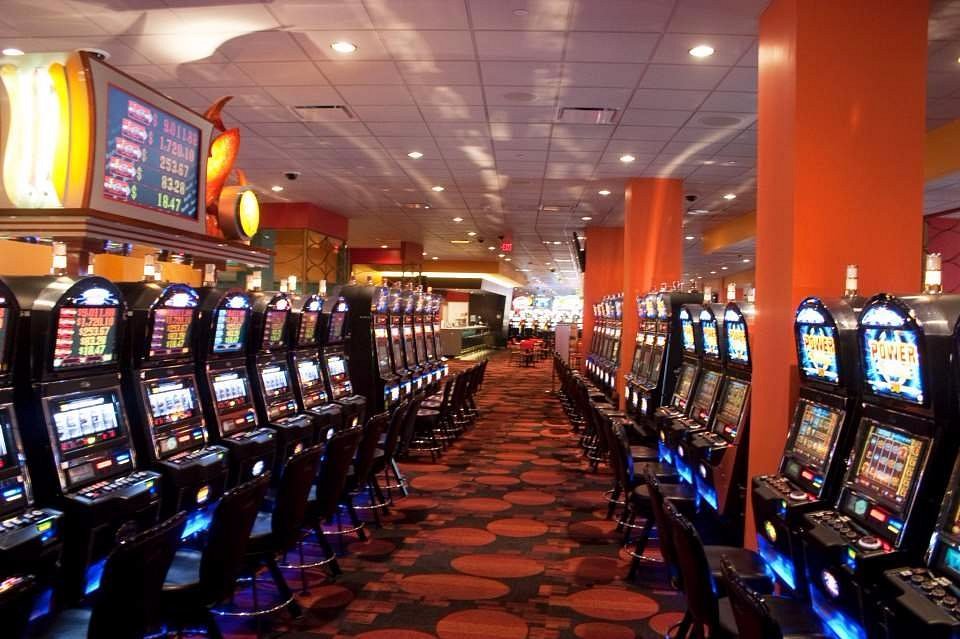
As casinos evolved, so did the variety of games offered. Traditional games such as blackjack, poker, and craps have stood the test of time, while new games have emerged to cater to changing player preferences. The introduction of electronic gaming machines in the late 20th century further diversified gaming options, making it easier for players to engage without requiring extensive knowledge of complex rules. These machines, including video slots and electronic poker, became a staple of modern casinos.
In recent years, the rise of online casinos has transformed the landscape of gaming, allowing players to access their favorite games from anywhere. The innovation of mobile gaming, including the development of apps like the Balloon Game, offers a new avenue for entertainment. This shift reflects the ongoing integration of technology into gambling, providing players with exciting alternatives that maintain the thrill of traditional casino games. As players look for options, many choose to download Balloon game APK online to enjoy from their devices.
Innovations such as augmented reality and virtual reality are beginning to make their mark in the casino industry. These technologies create immersive experiences that transport players into a virtual gaming environment, elevating the traditional casino experience to new heights. As these innovations continue to develop, the future of casinos promises to be a blend of traditional gaming with cutting-edge technology, appealing to a broader audience and ensuring the continued evolution of the gambling experience.
The Future of Casinos and Mobile Gaming
As the casino industry continues to evolve, the impact of mobile gaming cannot be overstated. Players are increasingly turning to their smartphones and tablets for gambling experiences, prompting casinos to develop dedicated apps. Games like the Balloon Game represent a shift towards engaging mobile applications that prioritize user experience. These games are designed to be accessible and entertaining, ensuring players can enjoy the thrill of gaming anywhere and anytime.
The future of casinos will likely see a further integration of mobile gaming, allowing players to transition seamlessly between physical and digital environments. Enhanced features such as live dealer games and interactive social platforms will bridge the gap between online and in-person gaming experiences. This hybrid model could attract a new generation of players who prefer the flexibility and convenience of mobile gaming, thereby expanding the reach of the casino industry.
Moreover, as technology continues to advance, we can expect to see more innovative gaming concepts emerge. The potential for gamification, where casino games incorporate elements of competition and rewards, could significantly enhance player engagement. As the industry adapts to these trends, it will remain essential for casinos to prioritize responsible gambling practices to ensure player safety and well-being in this rapidly changing landscape.